
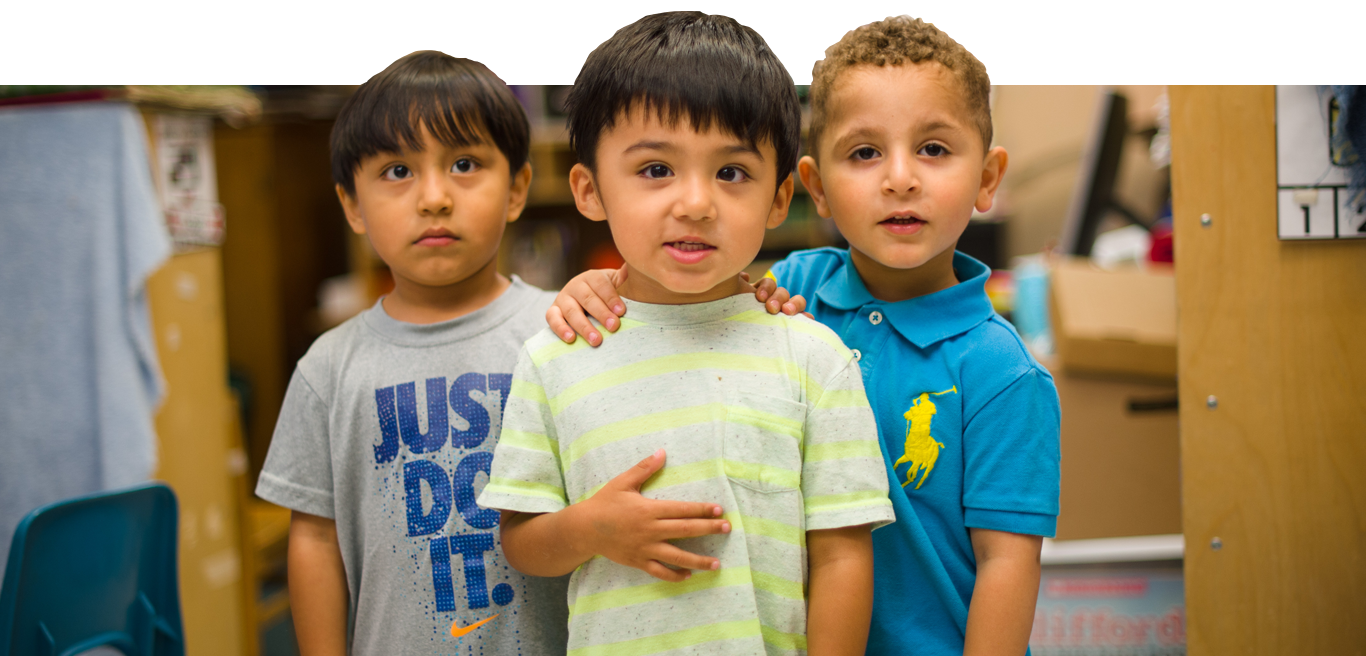
ENROLL YOUR CHILD TODAY!
Birch Family Services is recognized as a leading provider of early childhood and school-age education programs. To learn more about enrolling your child in one of our programs, scroll to the bottom of this page and send a request through the form.
All children have the right to a positive, high quality educational experience.
Birch Family Services offers an array of education programs for children ages three to twenty-one based on their individualized needs.
Our Early Childhood programs include preschool special education, Administration for Children’s Services (ACS) Early Learn, and Universal Pre-kindergarten. Professionally trained staff from each of these programs identify areas of need and provide therapeutic intervention to young children as appropriate. Preschool staff provide guidance to families as children transition to kindergarten.
Children who are at risk of having a developmental delay and are referred to us by the NYC Department of Education (DOE) receive a comprehensive developmental assessment that is at no cost to families from our Evaluation Unit.
Helping transition-age youth navigate their futures.
Birch supports students throughout their education journey – from enrollment in preschool, to their transition into a school-age program. We encourage parent advocacy as children attain milestones. Birch’s school-age programs are designed to meet the individual educational needs of students who are referred by the New York City (NYC) Department of Education (DOE). Students and families participating in our school-age program receive assistance with developing a transition plan for success in graduating from high school and obtaining lifelong occupational and vocational roles.